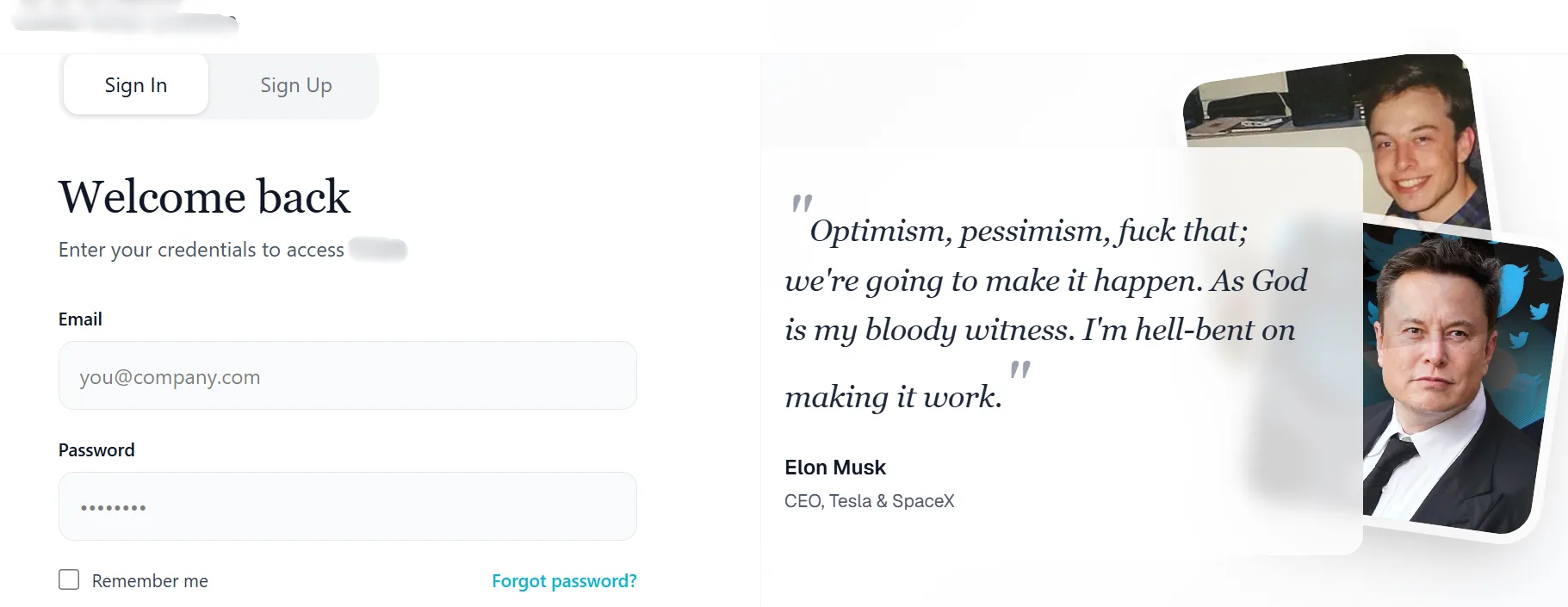
Built for A second-generation CEO of a private Indian company (anonymous)
Roughly 28 minutes saved per question. About 30 minutes down to under 2, a 93% reduction.
93%faster to an answer
103,702words made searchable
300msto search all of it
Time to answer one question
Finding it in the audio30minutes
Asking the system2minutes
15× less time than before
What 11.5 hours of audio became
Topics tagged912
People and companies identified827
Passages indexed139
The problem, in their words
When I'm stuck on a hard call, I want to know how the people who have faced the same thing actually thought about it. That wisdom exists, it is in podcasts and long interviews, but it is locked in there.
The problem is one of scale. A single two-hour episode runs to around 41,000 words. Nobody re-listens to eleven hours of audio to find how one decision was framed. Ordinary search matches words and hands you a timestamp, which is a place to start listening, not an answer.
How it works
A system that turns hours of transcripts into something you can ask a question of. It answers in plain language and shows you the passage it came from, so you can check it.
Meaning-based search alone kept missing exact phrases. Ask for a specific turn of phrase and it would return passages that were merely on the same topic. Running both kinds of search and merging the results fixed it.
The expensive part is only used where it counts
Searching runs on the company’s own hardware and costs nothing per question. Paid AI is used only for the last step, writing the answer. That is the difference between a tool people use freely and one they think twice about.
It never depends on one AI provider
The system picks a provider based on the budget left and switches automatically if one goes down. Spending limits are enforced in code, not by remembering to check. No single vendor outage takes the tool offline.
The thinking happens once, at upload
Each passage is read and summarised when it is added, not every time someone asks a question. Answers come back faster, cost less, and can point at exactly where they came from.
What shipped
Search by meaning, by keyword, by person or by topic.
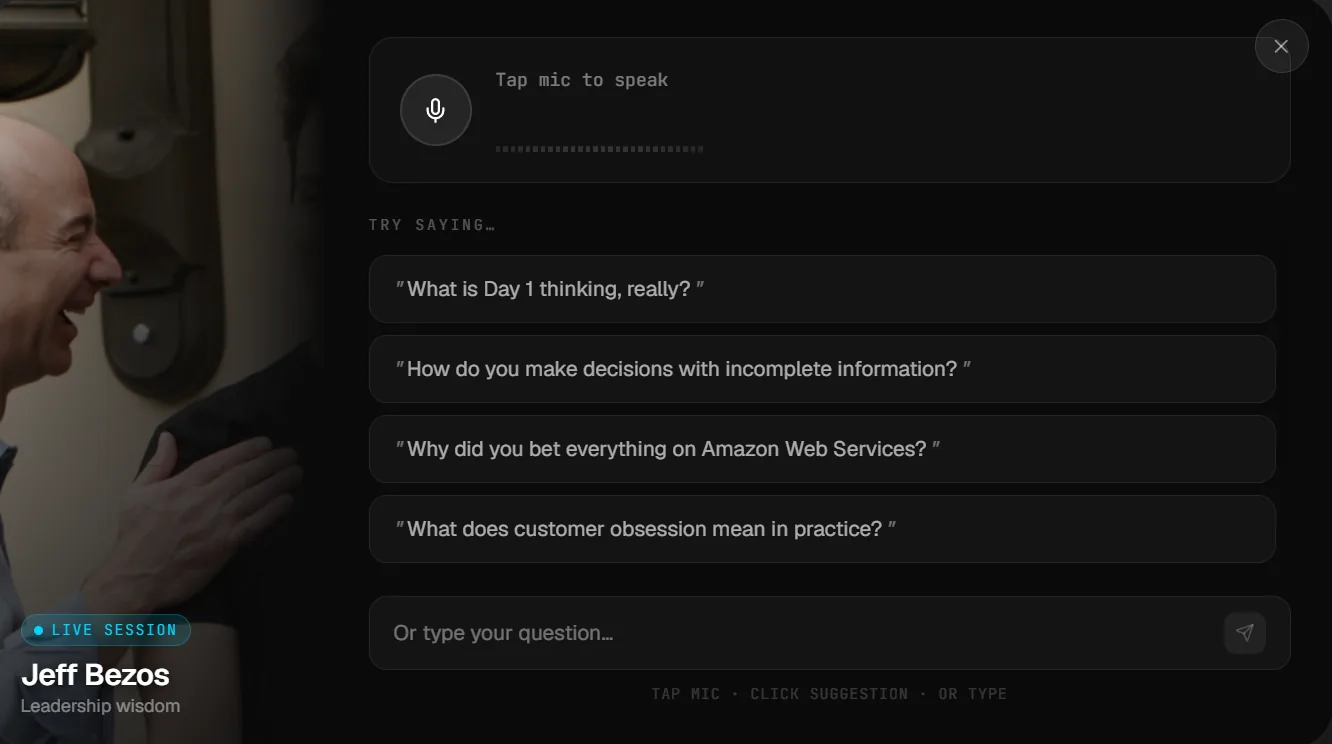
A chat that answers in plain language and cites the passage behind every answer.
Browsers for the people and ideas that come up across the material.
A dashboard showing what has been spent and which provider is in use.
Answers that stream in, with sources shown before the text arrives.
The outcome
Roughly 28 minutes saved per question. About 30 minutes down to under 2, a 93% reduction.
The arithmetic comes from the real material. 103,702 words of transcript, around 11.5 hours of audio, searchable in about 300 milliseconds.
Without it: work out which episode it was in, scrub through, listen around the answer, take notes. Call it 30 minutes, and that assumes you remembered the right episode. With it: type the question, read three ranked passages with the sources attached. Two minutes.
The gap widens with every transcript added. Listening time grows with the library. Query time does not.
Building something like this?
We take on a small number of clients at a time and work directly with them. Tell us what is slow, manual or messy, and we will tell you honestly whether we can help.