Built for A boutique investment firm in Mumbai (anonymous)
Deals assessed per month went from 4 to 30. Time per deal fell from around 30 hours to under 5.
7.5×more deals assessed each month
12state registries checked
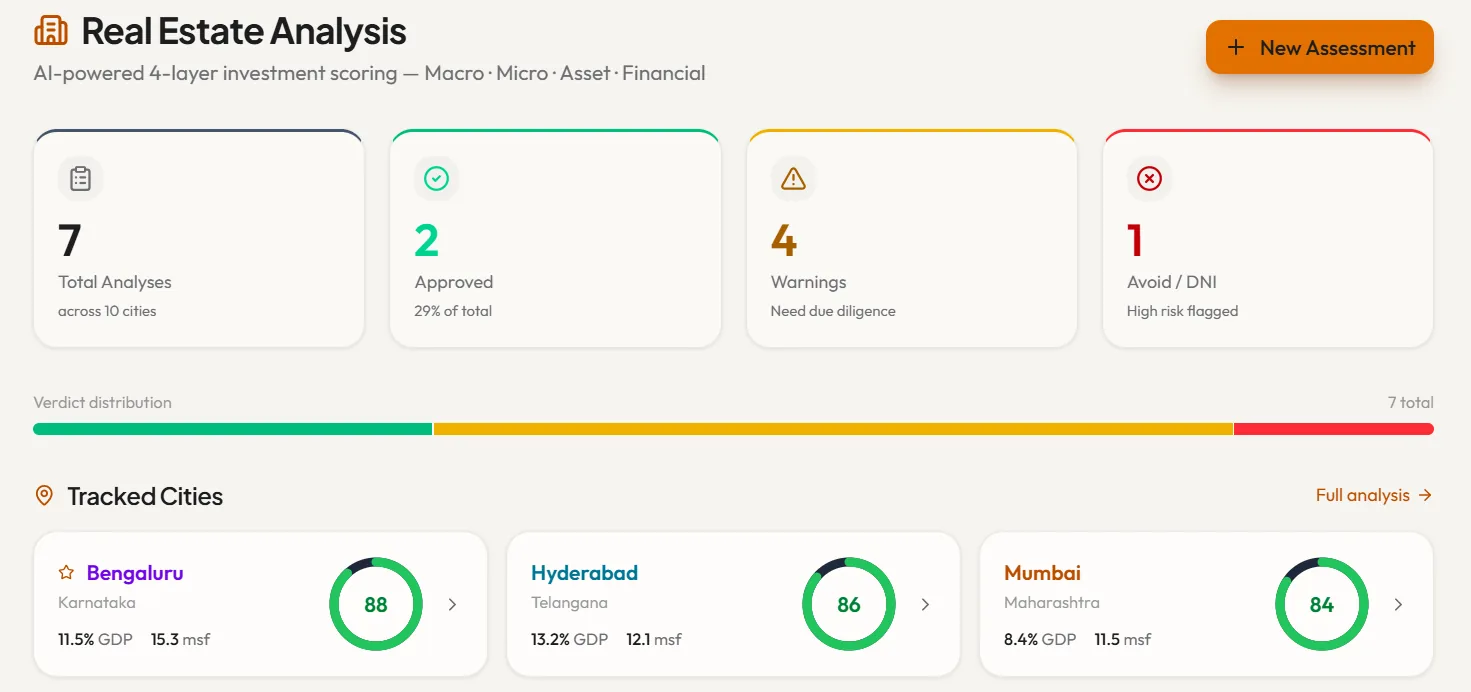
17tools in one platform
Deals assessed per month
Manual diligence4deals
With the platform30deals
7.5× more than before
Time to assess one deal
Manual diligence30hours
With the platform5hours
6× less time than before
The problem, in their words
Checking a ₹50 lakh to ₹2 crore purchase is manual and adversarial. Registration status sits on twelve state websites in twelve different formats. Developer litigation is buried in filings. Locality quality is broker opinion. Whether the price is fair is essentially unknowable.
The kind of underwriting large institutions do simply does not exist at this ticket size. The firm wanted the judgement that made them good at this turned into something repeatable, checkable, and fast enough to run on every deal instead of only the ones that had already survived a gut-feel filter.
How it works
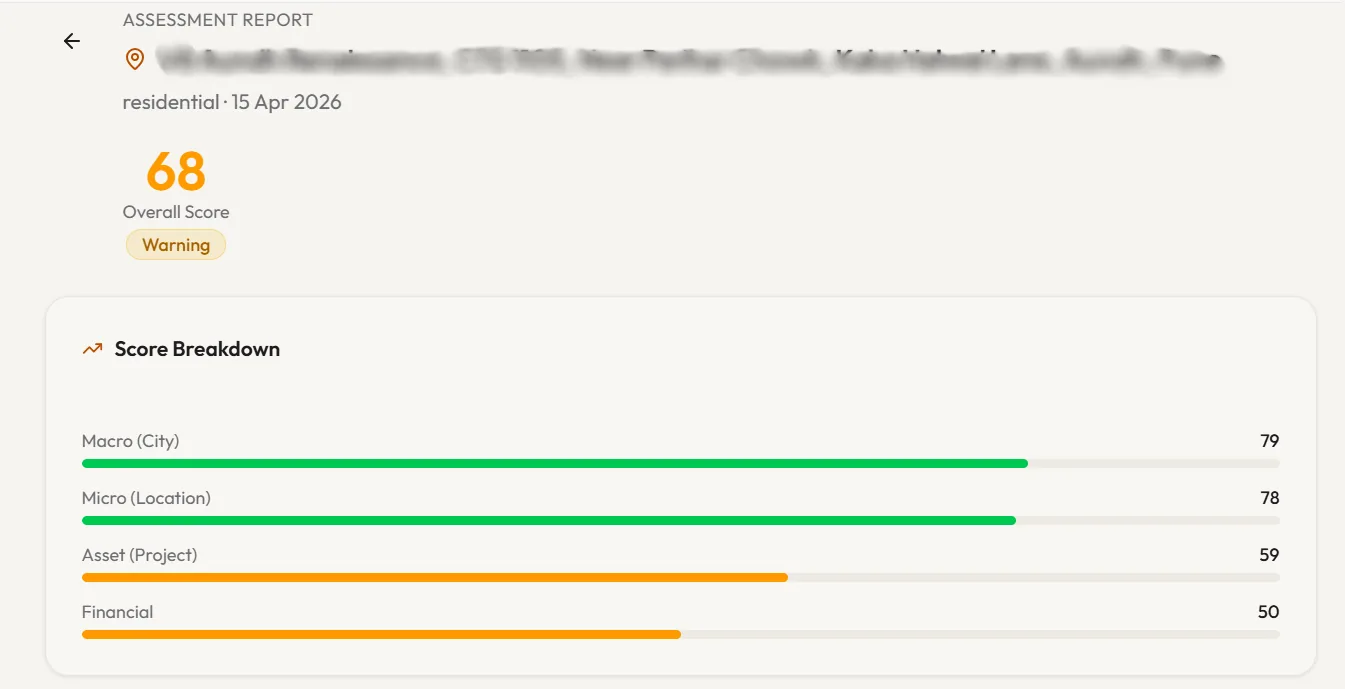
One address goes in. A single verdict comes out, with the full reasoning shown: what helped, what hurt, and what stopped it cold.
How the firm weighs each factor is their edge, and it stays theirs. This page covers how the system behaves, not what it believes.
Stack Python, Node.js, Next.js, Google Cloud.
Some things are not scored, they are disqualifying
If the legal registration does not check out, no amount of good location saves the deal. A small number of legal facts end an assessment outright. Everything else is weighed and balanced. That difference is what stops a beautiful address from carrying a project that cannot legally be built.
It tells you when it could not check
Registration checks try several sources in order, ending with the state portal itself. When a government website is down, the report says "we could not reach the portal" instead of quietly passing the deal. You always know how much the answer is worth.
Missing paperwork is not the same as bad paperwork
Government records are patchy and inconsistent. A gap in a state website should not sink a genuine project, so incomplete records count as unknown rather than as a warning sign.
The assessment runs in the background
One address sets off mapping, registration checks, developer news screening and valuation. That takes longer than a web page will politely wait, so it runs as a background job and tells you when it is ready.
What shipped
Deal assessment with the full reasoning shown, not just a number.
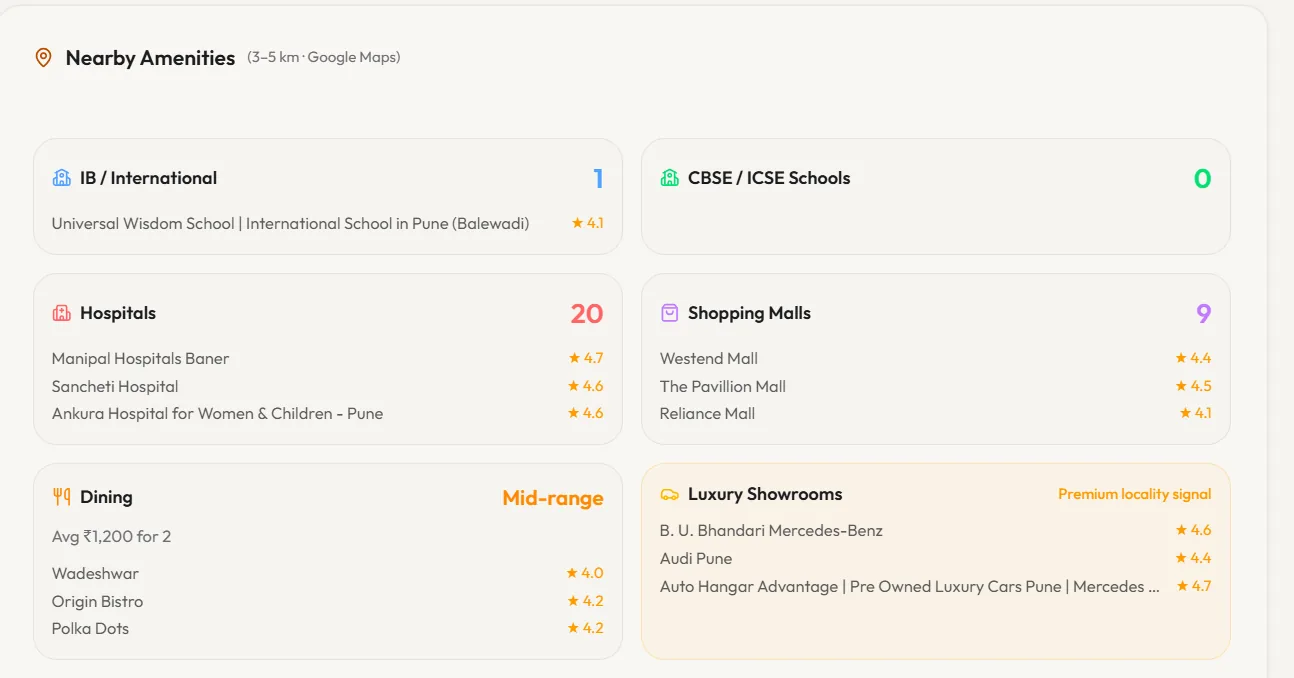
Locality research: schools, hospitals, retail, commute times, metro access and flood risk.
Developer profiles with news screened for delay, fraud and insolvency signals.
Registration lookup across twelve state portals.
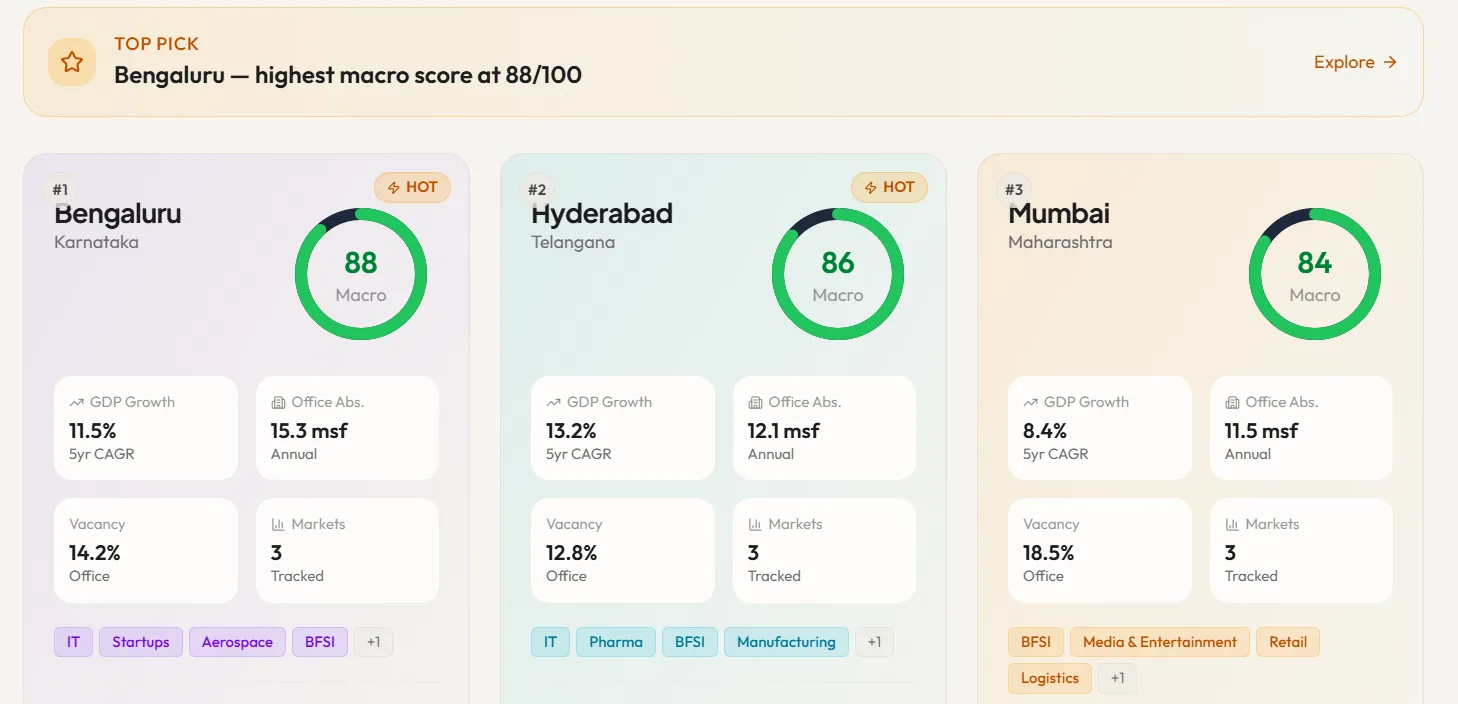
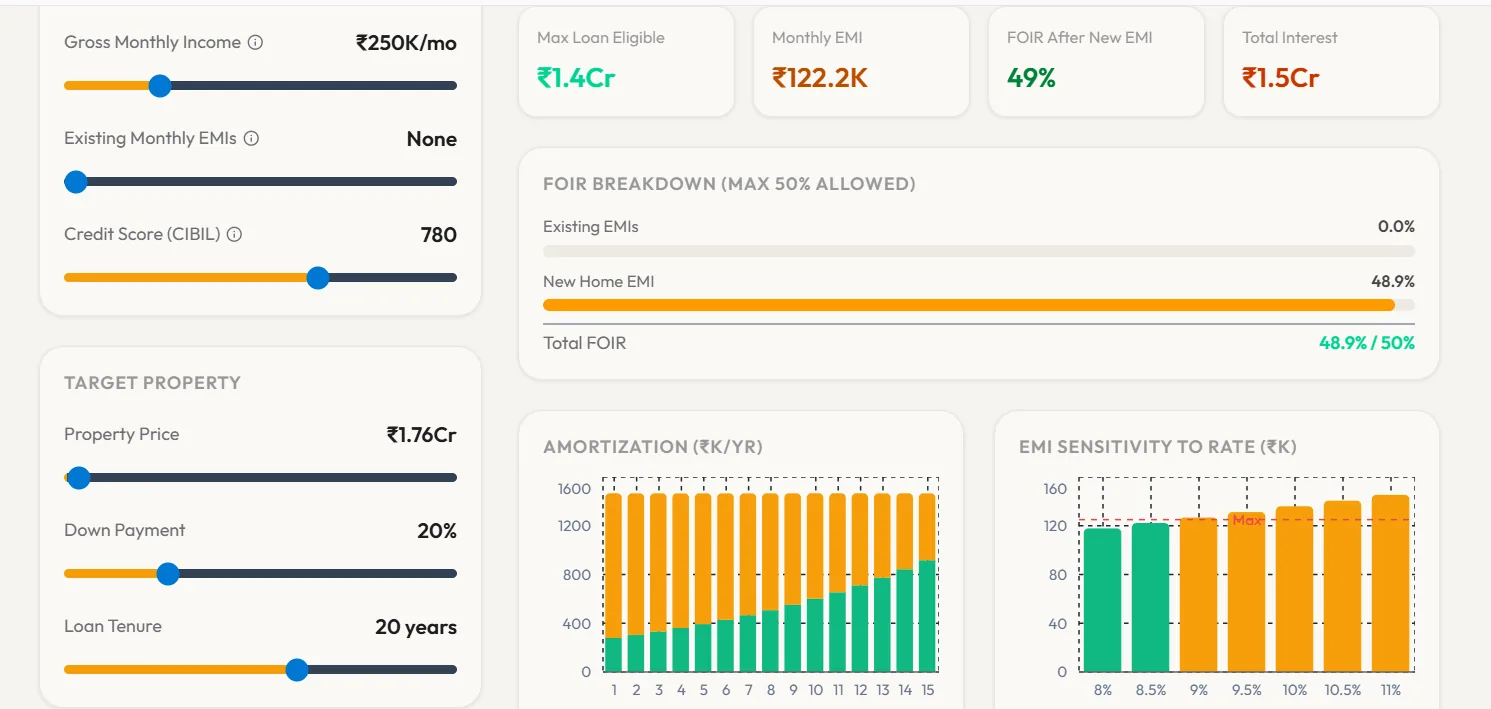
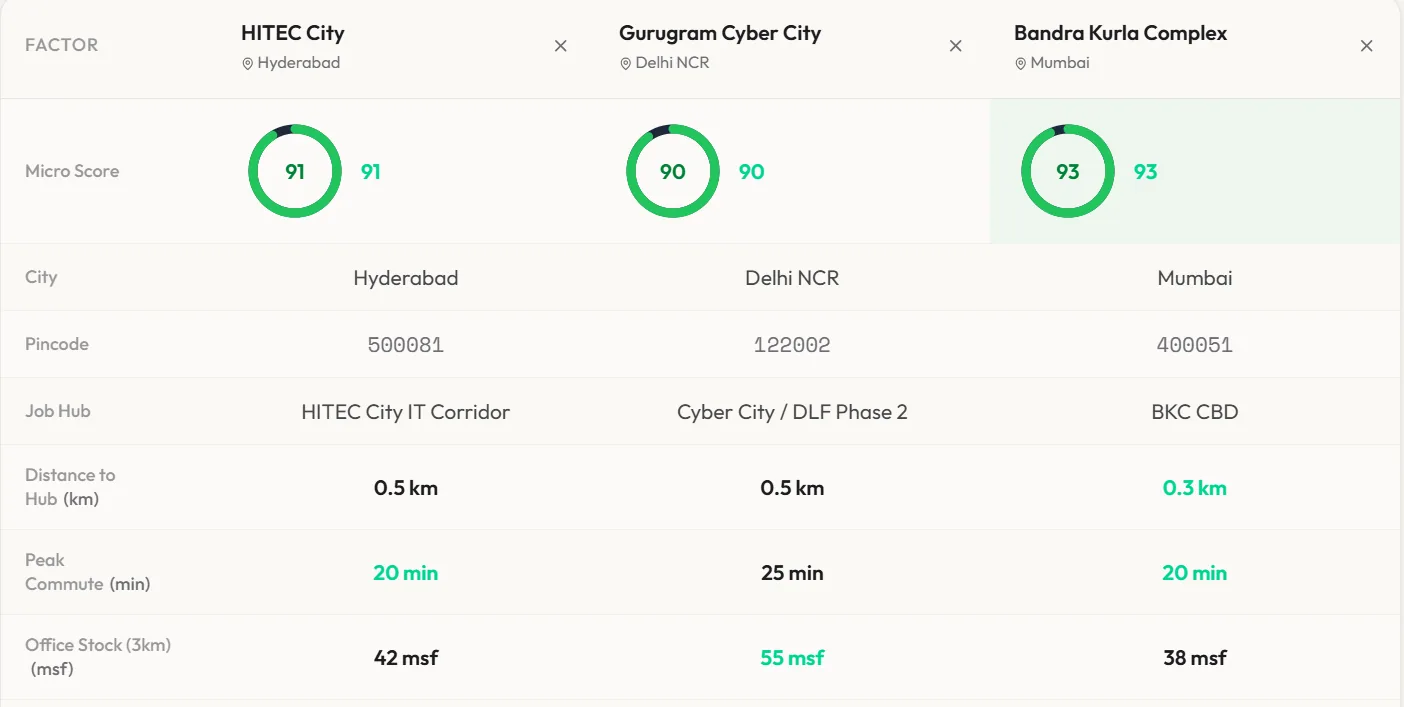
Portfolio, watchlist, deal and city comparison, delay prediction, EMI versus rent, tax planning and affordability.
The outcome
Deals assessed per month went from 4 to 30. Time per deal fell from around 30 hours to under 5.
That combination is the whole point. Checking a deal used to cost most of a working week, so the firm could only afford to examine deals that had already passed an informal gut check. At under five hours, assessment moves to the front of the process instead of the middle.
The effect the client raised without being asked: because every assessment produces the same structured breakdown, the reasoning behind a verdict is legible to the whole team rather than living in the head of whoever ran it. Junior analysts now argue with the score instead of guessing what it should have been.
Building something like this?
We take on a small number of clients at a time and work directly with them. Tell us what is slow, manual or messy, and we will tell you honestly whether we can help.